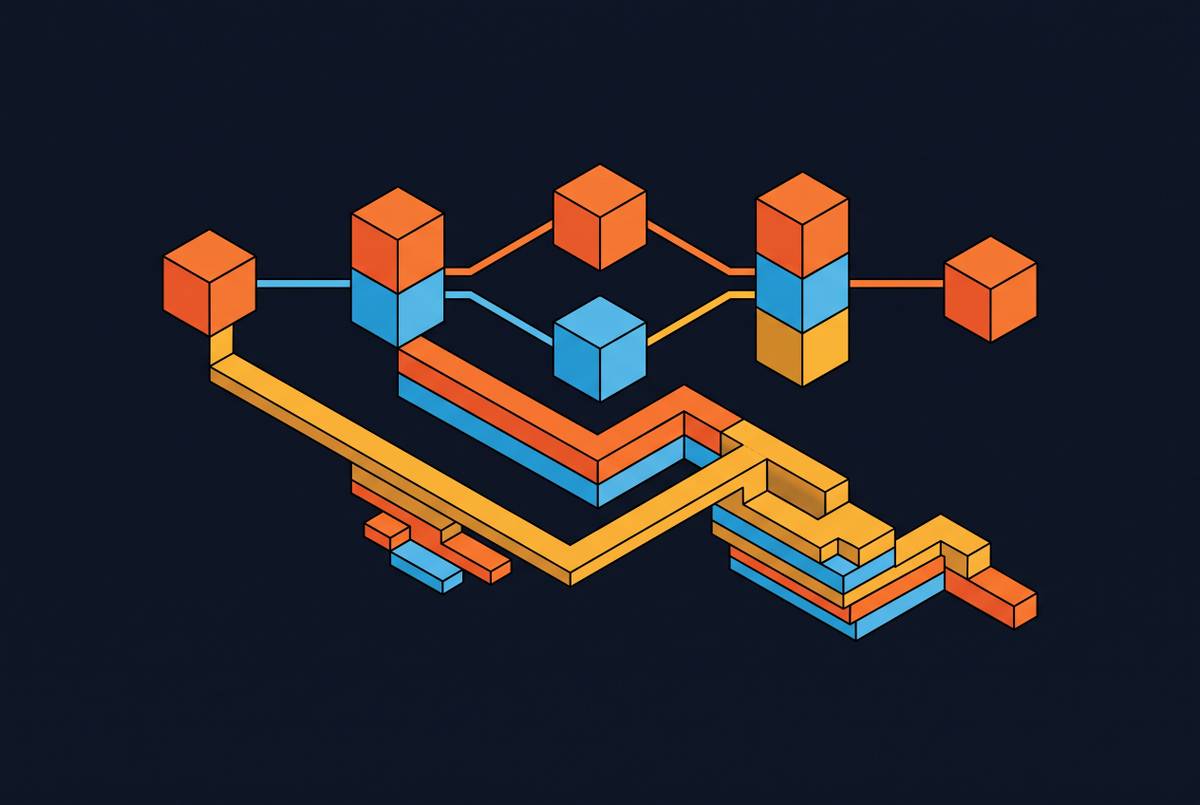
Distributed Tracing for Multi-Step Agent Workflows
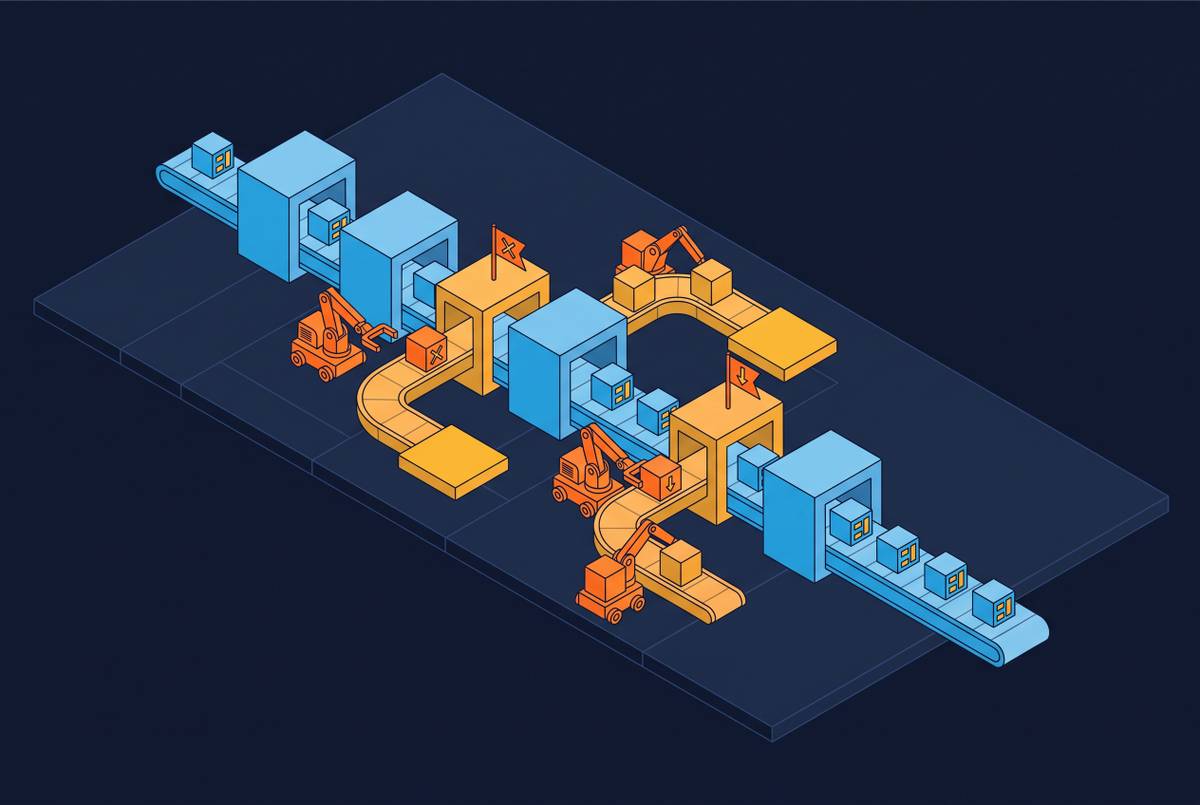
Traces show you which step in a multi-agent workflow actually broke.
Mei-Ling Sørensen
Contributing Editor
Mei-Ling has covered developer tooling and API ecosystems since the early days of the webhook economy, and her reporting has tracked how integration patterns have evolved from simple webhooks to fully autonomous agent pipelines. She is the site's primary voice on third-party integrations and the agentic coding frameworks that wire them together.
10 stories
Traces show you which step in a multi-agent workflow actually broke.
Design REST APIs for machine clients, not humans: prioritize idempotency and structured errors.
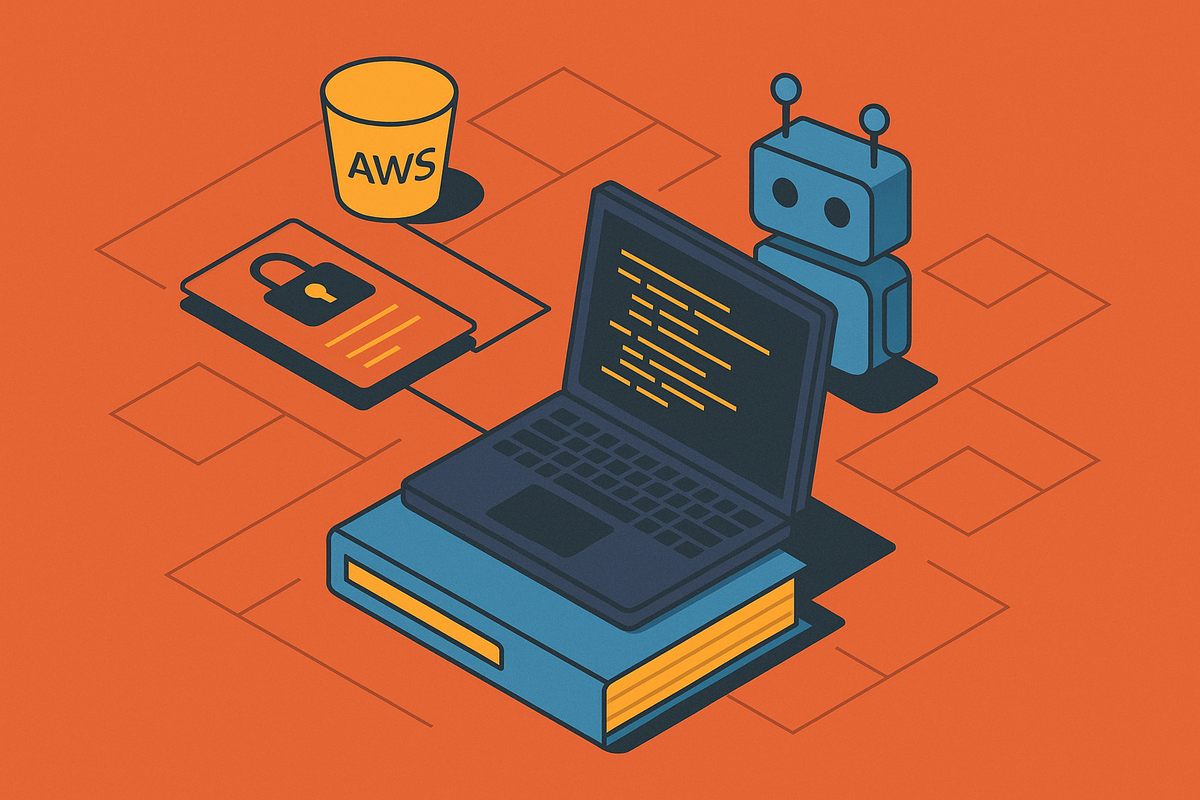
Security and credentials matter more than the agent logic itself.
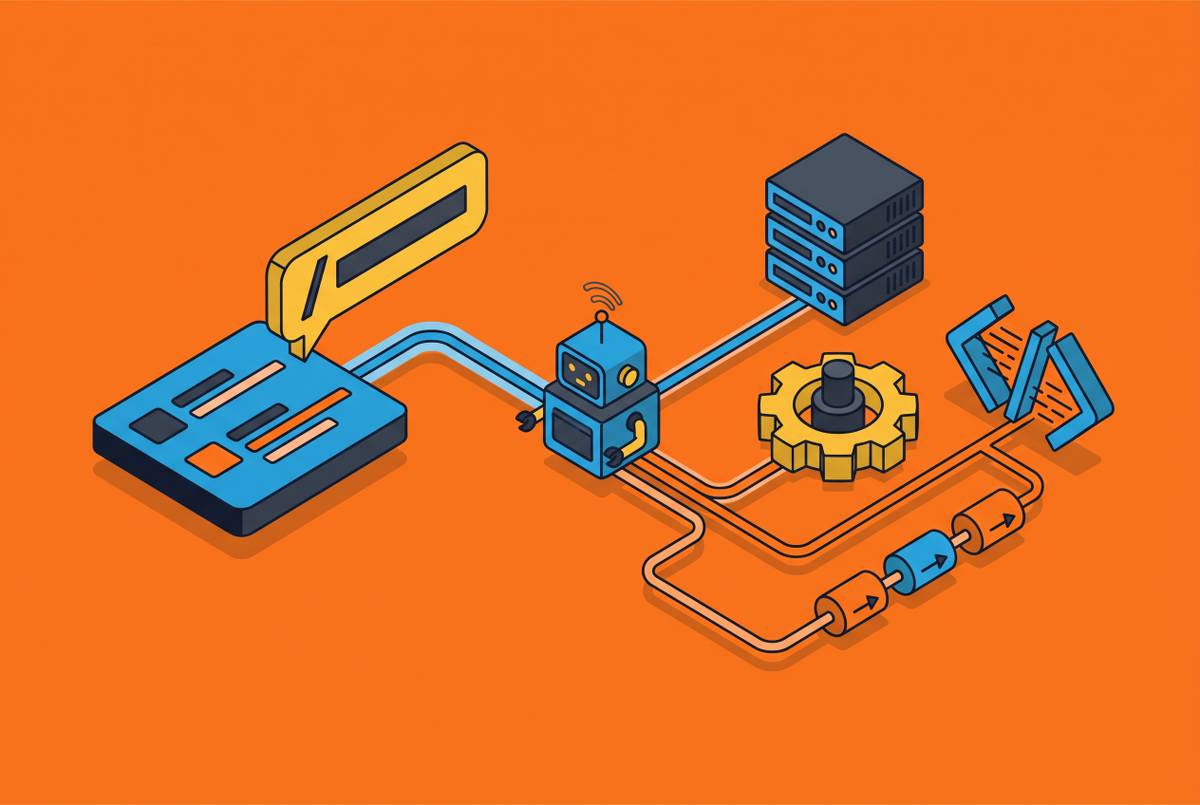
Slack Code lets teams trigger coding agents from chat, keeping work visible and scoped.
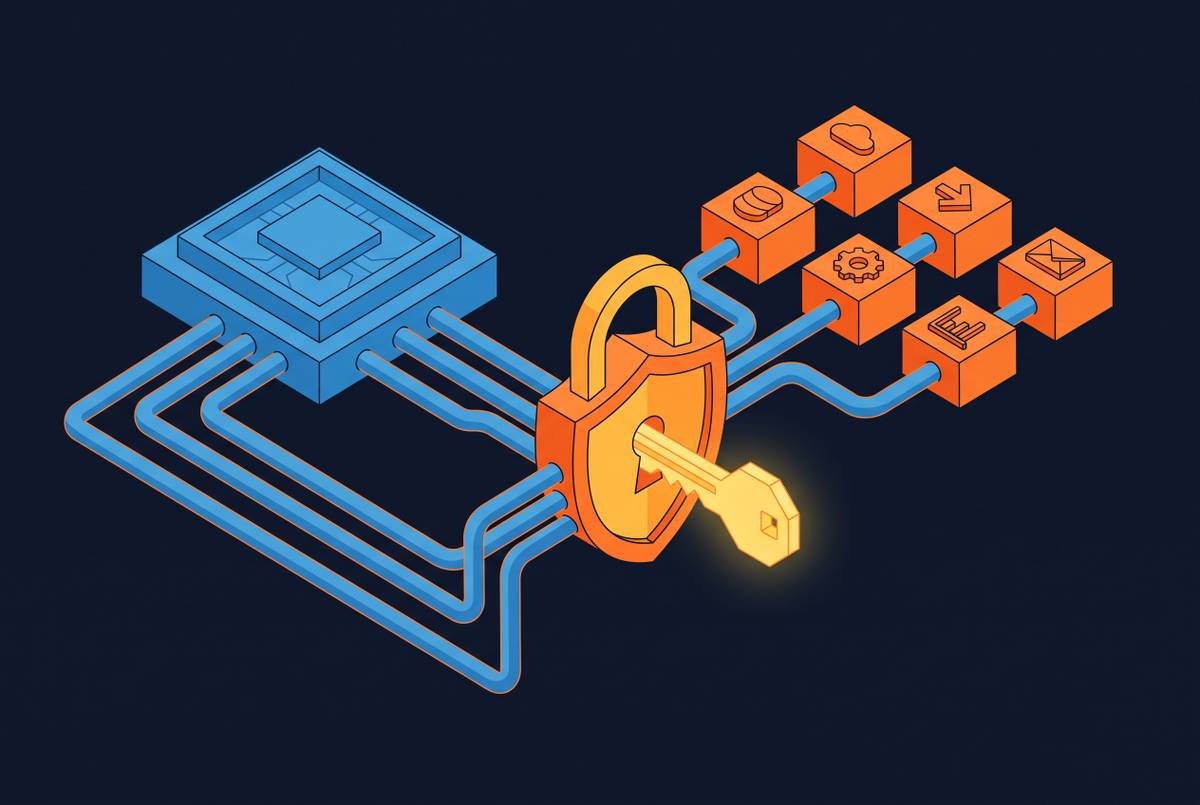
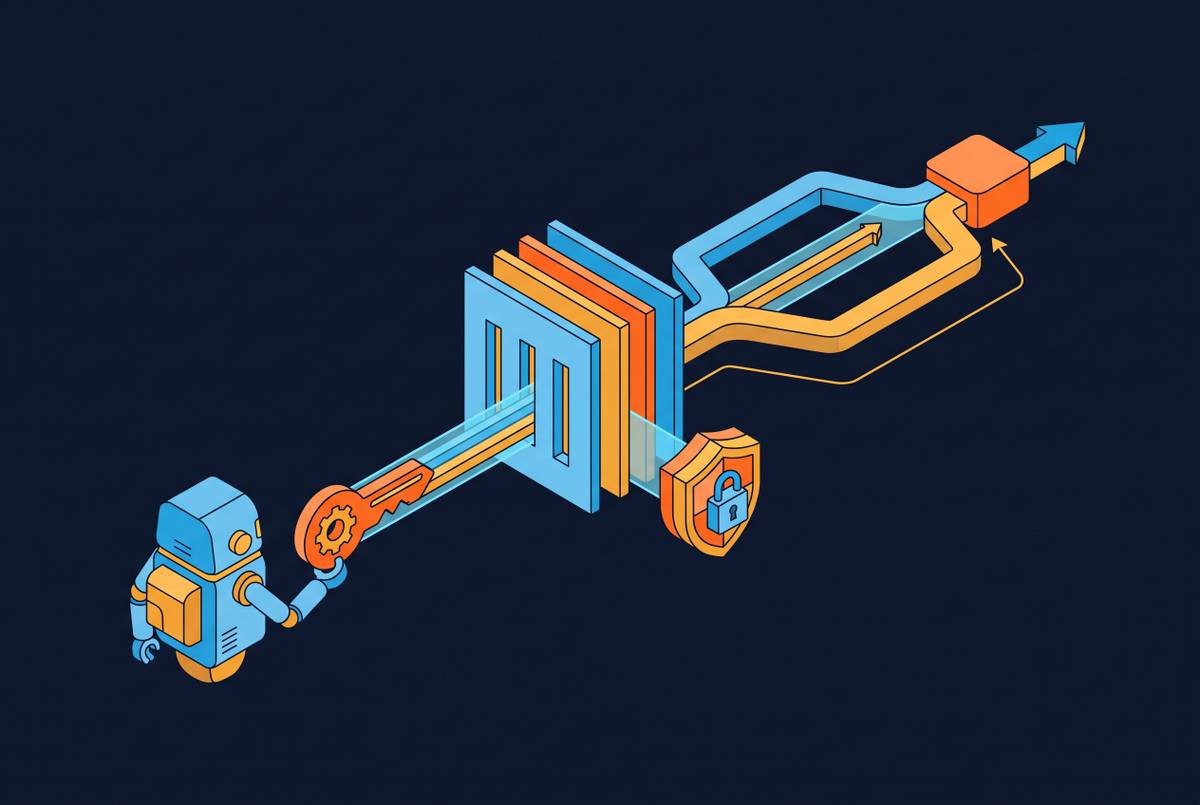
Agents leak credentials because they hold broader access than tasks require.
Limit agent GitHub tokens to the three permissions a pull request actually requires.
Minting fresh credentials for every agent session limits the damage from inevitable compromises.
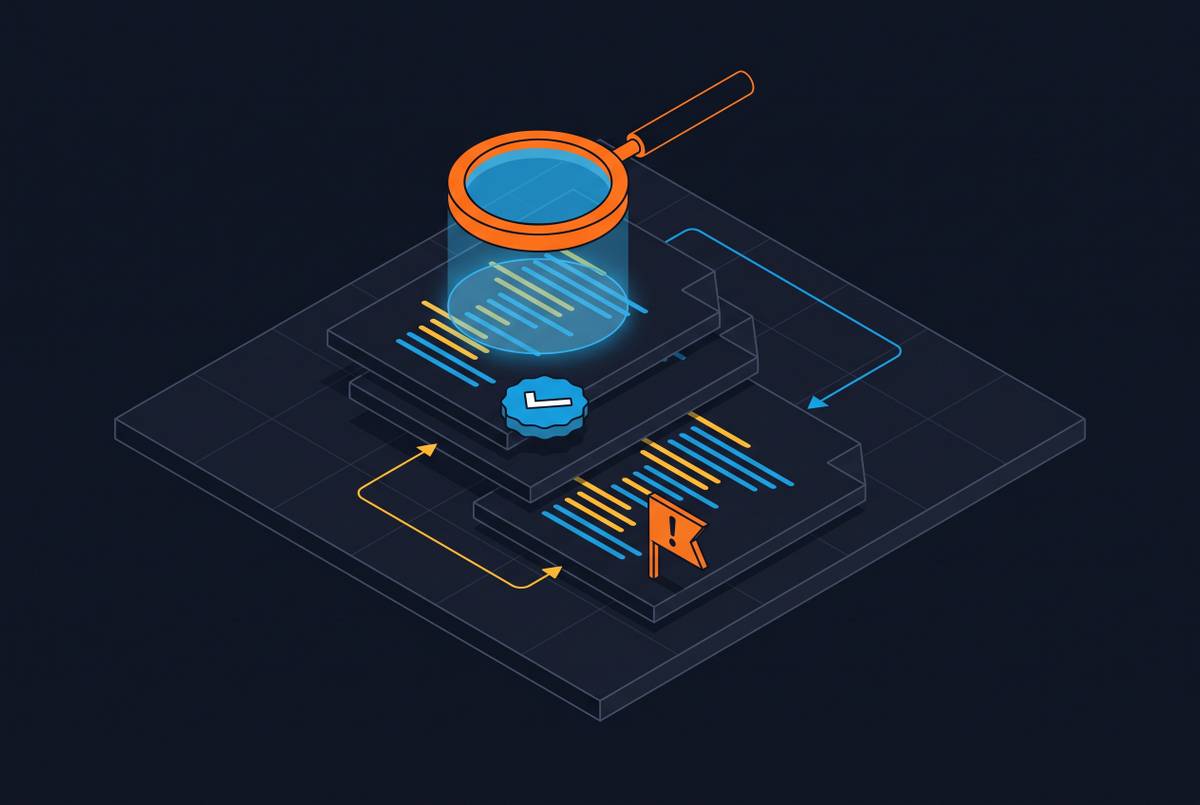
Configuration files for AI agents need the same code review rigor as production systems.
Agent configuration changes deserve the same security scrutiny as firewall rules.
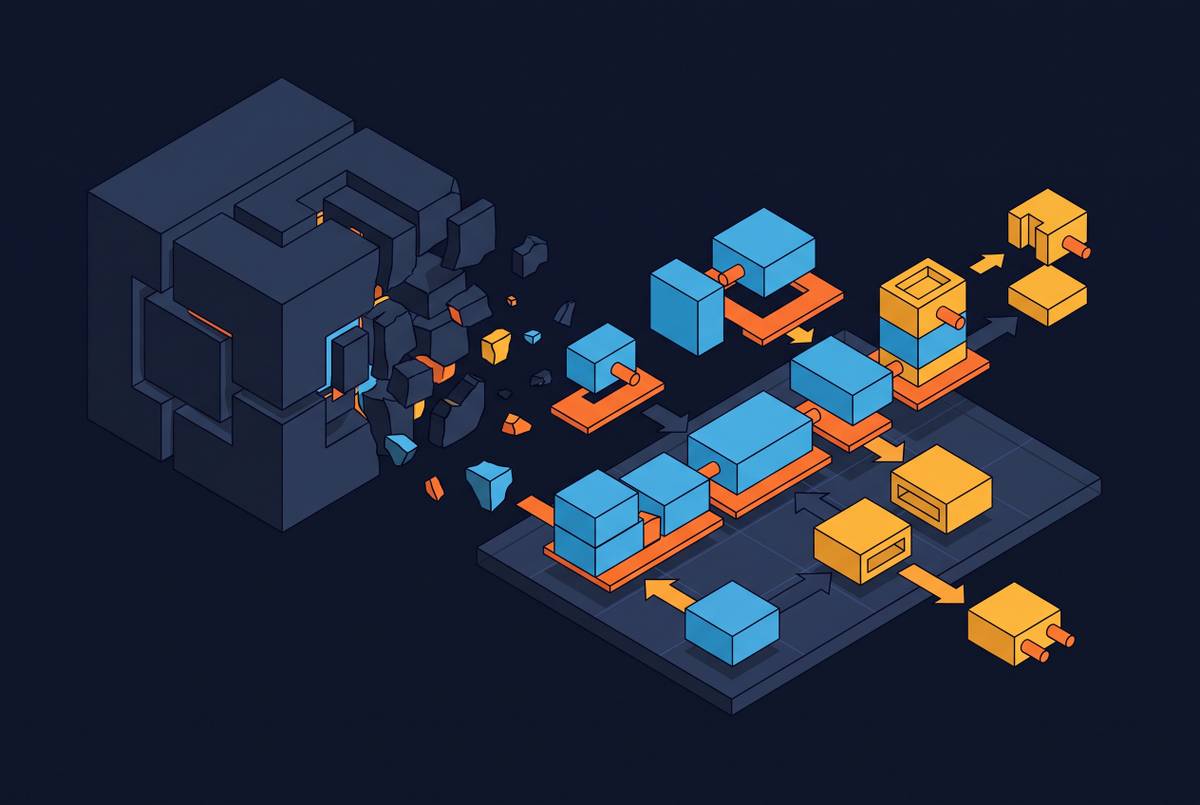
Breaking monolithic agent configs into versioned, composable units prevents silent failures.